Streamline Your Voyages: The Ultimate Boat Log Book Templates
Why Every Captain Needs a Structured Interior
There is a specific kind of calm that comes from having a well-organized vessel. While the chaos of the open water can be exhilarating, the documentation of your journey should remain methodical and precise. If you are a self-publisher looking to tap into the niche of maritime hobbies, or a boat owner seeking to document your adventures, understanding the value of a professional Boat Log Book Interior is crucial. It is not just about filling pages; it is about creating a functional tool that enhances the boating experience through superior modern typography and layout design.
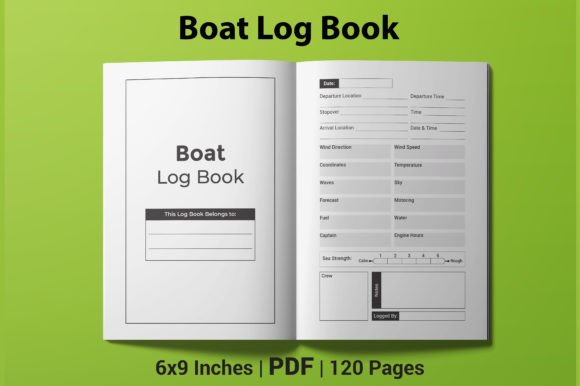
The difference between a generic notebook and a purpose-built log book lies in the details. A high-quality template ensures that the act of recording data—wind conditions, engine hours, GPS coordinates, or simple weather observations—feels intuitive. For designers and entrepreneurs working within the Amazon KDP space, offering a premium font selection and a thoughtful interior layout can be the deciding factor between a one-star review and a loyal customer. The visual hierarchy of the page must guide the user's eye effortlessly from the date header to the specific data entry fields.
The Anatomy of a Professional KDP Interior
When we discuss Boat Log Book Templates for Amazon KDP, we are talking about a specific set of technical requirements wrapped in aesthetic appeal. The standard for print-on-demand often revolves around the 6×9 inch dimension, a sweet spot that fits comfortably in a captain’s bag or on a chart table. However, the technical specifications—PDF, AI, EPS, and JPG files—are what give you, the publisher, the flexibility to customize and perfect your product before uploading.
A truly print-ready interior demands more than just slapping text onto a page. It requires an understanding of bleed settings (or in this case, the efficiency of a No Bleed design which simplifies the KDP upload process) and margins that account for the book's gutter. Without sufficient inner margins, text gets swallowed by the spine, rendering the log book useless. The best templates account for this, ensuring that the typeface used for headers is distinct from the body text, creating a clear visual hierarchy that aids in quick data entry, even in rough waters.
Visual Style and Functional Aesthetics
The personality of a boat log book should mirror the environment it serves. It needs to be sturdy, legible, and authoritative. This is where the choice of a serif font or a clean sans serif font becomes critical. You want a design that feels professional—something that looks like it belongs on a bridge or in a wheelhouse. A cluttered design with too many decorative elements can distract from the primary goal: recording vital information.
Consider the visual rhythm of the pages. A well-designed interior uses whitespace effectively. It balances the density of lined entry areas with the open space of section headers. This is a core principle of editorial design. Whether you are creating a log for a small fishing boat or a large sailing yacht, the interior must convey reliability. The use of high-resolution graphics for compass roses or subtle wave motifs can add character without compromising the readability of the entries.
Optimizing Your Design Assets for KDP Success
For those utilizing these templates to build a publishing business, the availability of AI and EPS files is a significant advantage. It allows for granular customization. You might decide to pair the existing Boat Log Book Interior with a specific script font for the cover title to evoke a sense of classic maritime tradition, while keeping the interior strictly utilitarian. This interplay between brand identity and functional design is what separates amateur listings from professional best-sellers.
The practical application of these design assets extends beyond just the log book itself. The same design language can be adapted for related products, such as maintenance checklists or guest registers, creating a cohesive suite of products. This consistency builds brand recognition. When a customer buys one of your 120-page log books, the font pairing and layout style should feel familiar if they purchase your 100-page version later. This is the essence of building a recognizable brand in the digital and print marketplace.
Choosing the Right Configuration
Deciding between 100, 110, or 120 pages often depends on the intended use case. A 100-page book is ideal for seasonal sailors or those who prefer a lighter volume that won't take up much space. In contrast, a 120-page interior suits commercial operators or live-aboards who need to maintain extensive records over a longer period. Regardless of the page count, the high-resolution nature of the interior ensures that lines remain sharp and text crisp, whether printed in black and white or utilizing a grayscale palette.
Ultimately, the goal is to provide a tool that respects the user's time. By leveraging professional Boat Log Book Templates, you ensure that the formatting is already done. You don't need to be a master typographer to produce a book that looks like it was designed by one. The heavy lifting of aligning grids, setting tab stops, and ensuring commercial font compliance is handled for you. This allows you to focus on the cover design and marketing, knowing that the interior is 100% ready for upload.
Final Thoughts on Usability
In the end, the success of a log book comes down to usability. Does it help the captain? Is the paper size practical? Is the text easy to read in low light? These are the questions that a high-quality template answers. By focusing on clean web design principles adapted for print—clear headers, ample whitespace, and logical flow—you create a product that serves a real purpose. It is a blend of creative font choices and structural engineering that results in a book people actually want to use.
Whether you are a content creator expanding your portfolio or a boat owner organizing your life, the value of a structured log cannot be overstated. It turns the raw data of the sea into a readable history of your travels. With files ready for Amazon KDP uploading, the barrier to entry has never been lower. You have the power to create professional, durable, and beautiful maritime records that stand the test of time and tide.