Professional Podcast Social Media Templates for Creators
Building a podcast is a massive undertaking. You spend hours scripting, recording, editing audio, and coordinating guests. The last thing you want to do when you hit "publish" is stare at a blank canvas trying to design an Instagram post from scratch. This is exactly why having a robust set of Podcast Social Media Templates is a game-changer for content creators. It’s not just about saving time; it’s about establishing a visual rhythm that your audience learns to recognize instantly.
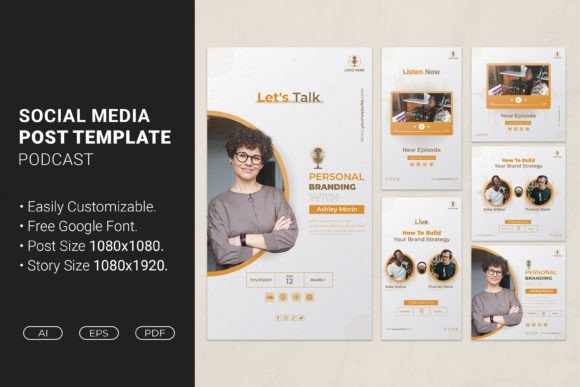
These templates are designed with the modern talk show host in mind. They bridge the gap between amateur broadcasting and professional media production. When you look at the file structure, you’ll notice they come in standard industry formats: Adobe Illustrator, EPS, and PDF. This ensures that whether you are a seasoned designer or a small business owner using a freelancer, the files are universally compatible and ready for high-end production.
Designing for the Algorithm and the Eye
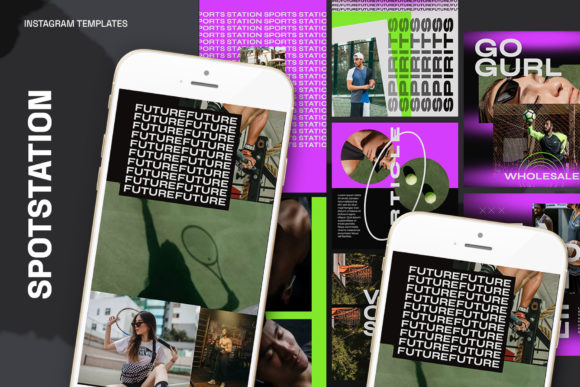
Visual hierarchy is everything on social media. You have roughly three seconds to stop a user from scrolling. These Podcast Social Media Templates utilize a clean, modern aesthetic that prioritizes clarity. The layouts typically feature strong typography and ample white space, allowing the viewer's eye to land exactly where it needs to: on the guest's face, the episode title, or the call to action.
The personality of these designs leans professional and trustworthy. We aren't dealing with chaotic, messy designs here. Instead, the style is refined—think corporate podcasting meets creative agency. This visual consistency helps build brand equity. When your LinkedIn audience sees the same design language as your Instagram audience, it reinforces your brand identity and signals that you are serious about your content.
Furthermore, the file dimensions are optimized for the platforms that matter most. The 1080 x 1080 px square format remains the gold standard for Instagram feeds and LinkedIn posts, offering maximum real estate on mobile devices. The inclusion of the 1080 x 1920 px Story format is equally vital, as vertical video and static stories are currently driving massive engagement. By having both sizes ready, you ensure your content looks native to the platform it’s posted on, rather than cropped awkwardly or pixelated.
Customization and Technical Workflow
A template is only as good as its flexibility. The true value of this collection lies in the "easy to customize" nature of the assets. The design elements are structured using clipping masks. If you aren't a design pro, this simply means that placing your own images is incredibly intuitive. You don't need to manually crop photos to fit odd shapes; you simply drag your image into a designated layer, and the software handles the rest.
Color psychology plays a huge role in how your podcast is perceived. Are you hosting a high-energy business show? You might want to swap the default colors for bold oranges or confident blues. If your podcast is about wellness or mindfulness, you can easily adjust the color swatches to pastels or earth tones. Because the text and vectors are fully editable, you aren't locked into a specific vibe. You have the creative freedom to align these graphics perfectly with your existing brand identity.
Typography is another critical component. The templates utilize free fonts, which is a massive relief for creators watching their overhead. You don't need to purchase expensive commercial licenses for premium display fonts to make these look good. The documentation file provided with the download points you directly to the specific typefaces used, allowing you to maintain that crisp, professional look without hidden costs.
Practical Applications Beyond the Feed
While these are marketed as Podcast Social Media Templates, their utility extends far beyond just announcing a new episode. As a creative professional, I often advise clients to repurpose assets to get the most mileage out of their design library.
For instance, the square 1080 x 1080 templates work beautifully for web design elements. You could use them as testimonial cards on your website's homepage or as visual dividers in a blog post. If you are in editorial design, these layouts can serve as the basis for digital magazine covers or newsletter headers.
For those involved in packaging design or physical products, imagine using these clean layouts to create "scan to listen" QR code cards that you slip into your shipping boxes. It connects your physical product to your digital content ecosystem. Similarly, if you are hosting a live event or a webinar, these templates can be adapted into event flyers or speaker announcement graphics, maintaining that consistent brand identity across all touchpoints.
Evaluating Fit and Brand Consistency
Before you download and start editing, take a moment to evaluate if this specific style fits your current project. Look at the "personality" of the templates. If your podcast brand relies on a handwritten font or a grungy, underground aesthetic, these clean and professional templates might feel too corporate. However, if you are aiming for authority, clarity, and a modern typeface selection, this is the ideal starting point.
Consider the concept of font pairing. While the templates provide a suggested layout, you should test how your specific headlines look within the text boxes. A good template allows the content to breathe. If your episode titles are often long, look for layouts within the set that accommodate more text without shrinking the font size to an unreadable level.
It is also worth noting the commercial aspect. If you are a small business owner or a freelancer creating assets for a client, ensure you understand the licensing of the template set. Most professional design assets allow for commercial use, meaning you can create social graphics for your business or your client's business without legal grey areas. Always double-check the documentation to ensure you are compliant.
Ultimately, these Podcast Social Media Templates are about removing friction. They provide a professional scaffold so you can focus on what you do best: creating great audio content. By leveraging high-resolution graphics and a modular design system, you elevate your show from a hobby to a polished media brand.